
مكملات غذائية للقطط والكلاب
Complete Guide to Nutritional Supplements for Cats & Dogs
الدليل الشامل للمكملات الغذائية للقطط والكلاب
Discover everything you need to know about vitamins, minerals, and supplements to keep your beloved pets healthy, active, and thriving for years to come.
📋 Table of Contents
The Complete Guide to Nutritional Supplements for Cats and Dogs

Healthy, happy pets enjoying life together
As pet owners, we want nothing but the best for our furry family members. While a balanced diet is the foundation of good health, nutritional supplements can play a crucial role in filling nutritional gaps, addressing specific health concerns, and promoting overall wellness in both cats and dogs.
This comprehensive guide will explore everything you need to know about pet supplements, from understanding when they're necessary to choosing the right products for your pet's unique needs. Whether you have a playful kitten, a senior dog, or anything in between, you'll find valuable information to help you make informed decisions about supplementation.
🔑 Key Point
While supplements can be beneficial, they should never replace a balanced diet or veterinary care. Always consult with your veterinarian before starting any supplement regimen for your pet.
The pet supplement industry has grown significantly in recent years, with products ranging from basic multivitamins to specialized formulas targeting specific health concerns. Understanding the science behind these supplements and knowing which ones your pet actually needs can be challenging, but this guide will help you navigate this complex landscape with confidence.
Why Pets Need Supplements

Regular veterinary check-ups help determine if supplements are needed
Even with the best commercial pet foods available today, there are several reasons why your cat or dog might benefit from nutritional supplements:
Dietary Gaps
Commercial pet foods may not meet all individual nutritional needs, especially for pets with specific health conditions.
Age-Related Needs
Senior pets often require additional support for joints, cognitive function, and immune health.
Active Lifestyles
Working dogs, athletic pets, and highly active animals may need extra nutritional support.
Health Conditions
Certain medical conditions may require targeted supplementation to manage symptoms.
Recovery Support
Pets recovering from illness, surgery, or injury may benefit from additional nutrients.
Preventive Care
Some supplements can help prevent common health issues before they develop.
Signs Your Pet Might Need Supplements
Watch for these indicators that your pet might benefit from nutritional supplementation:
- Dull, dry coat or excessive shedding - May indicate omega fatty acid deficiency
- Stiff joints or difficulty moving - Could benefit from joint support supplements
- Digestive issues - Probiotics might help restore gut health
- Low energy or lethargy - May need vitamin B complex or other energy-supporting nutrients
- Slow wound healing - Could indicate vitamin or mineral deficiency
- Frequent infections - Immune-supporting supplements might help
Types of Pet Supplements
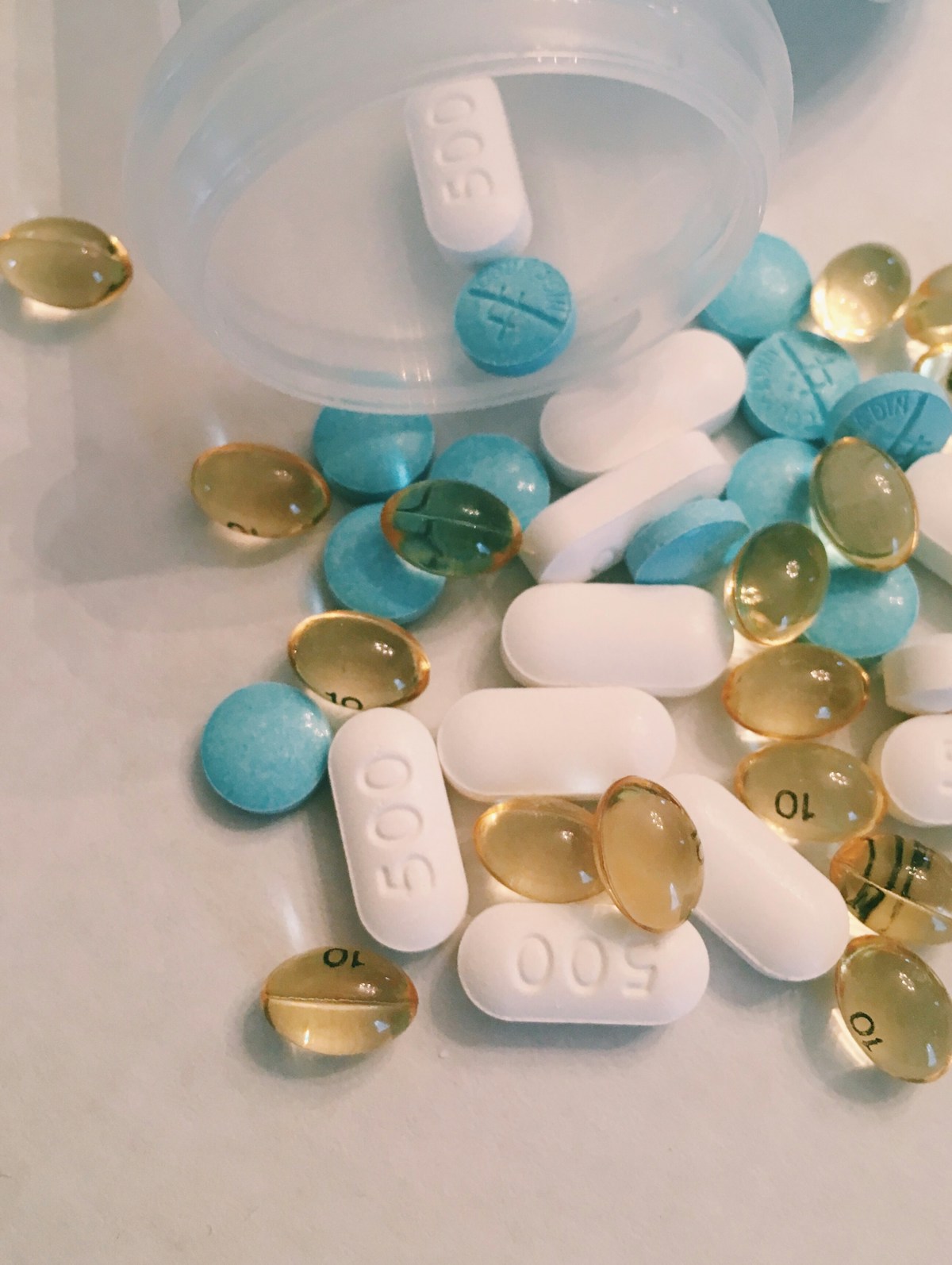
Pet supplements come in various forms to suit different preferences
Pet supplements are available in numerous forms, each with its own advantages. Understanding the different delivery methods can help you choose the most suitable option for your pet:
| Form | Advantages | Best For |
|---|---|---|
| Tablets/Pills | Precise dosing, long shelf life, cost-effective | Pets who take pills easily |
| Chewable Treats | Easy to administer, palatable, pets love them | Picky eaters, daily supplementation |
| Powders | Easy to mix with food, customizable dosing | Pets who won't take pills |
| Liquids | Easy absorption, adjustable dosing | Pets with swallowing difficulties |
| Soft Chews | Highly palatable, easy to give | Most cats and dogs |
| Capsules | Can be opened and sprinkled, protects ingredients | Flexible administration needs |
Essential Vitamins for Pets

Proper vitamin supplementation contributes to a healthy, shiny coat
Vitamins are organic compounds that play essential roles in various bodily functions. Both cats and dogs require specific vitamins for optimal health, though their needs may differ.
Fat-Soluble Vitamins
Vitamin A
Essential for vision, immune function, and skin health. Found in liver, fish oil, and eggs. Cats require preformed vitamin A as they cannot convert beta-carotene.

Vitamin D
Crucial for calcium absorption and bone health. Unlike humans, dogs and cats cannot synthesize vitamin D from sunlight and must obtain it from food.

Vitamin E
A powerful antioxidant that protects cells from damage, supports immune function, and promotes healthy skin. Found in plant oils and green vegetables.
Water-Soluble Vitamins
Water-soluble vitamins are not stored in the body and need to be consumed regularly:
- Vitamin B1 (Thiamine): Essential for energy metabolism and nerve function
- Vitamin B2 (Riboflavin): Important for enzyme function and energy production
- Vitamin B3 (Niacin): Supports metabolism and skin health
- Vitamin B5 (Pantothenic Acid): Necessary for hormone and cholesterol synthesis
- Vitamin B6 (Pyridoxine): Important for protein metabolism and red blood cell function
- Vitamin B12 (Cobalamin): Essential for nerve function and DNA synthesis
- Folic Acid: Crucial for cell division and DNA formation
- Biotin: Supports healthy skin, coat, and metabolism
⚠️ Important Warning
While vitamin deficiencies can cause health problems, over-supplementation can be equally dangerous. Fat-soluble vitamins (A, D, E, K) can accumulate in the body and reach toxic levels. Always follow recommended dosages and consult your veterinarian.
Important Minerals for Pets
Minerals are inorganic elements that serve numerous functions in the body, from building strong bones to maintaining proper fluid balance. Here are the key minerals your pets need:
| Mineral | Function | Sources | Deficiency Signs |
|---|---|---|---|
| Calcium | Bone formation, muscle function, nerve transmission | Bones, dairy, supplements | Weak bones, muscle tremors |
| Phosphorus | Bone structure, energy metabolism | Meat, fish, poultry | Poor growth, bone disorders |
| Iron | Oxygen transport, energy production | Red meat, liver, organ meats | Anemia, weakness, fatigue |
| Zinc | Immune function, skin health, wound healing | Meat, shellfish, legumes | Skin problems, poor coat |
| Magnesium | Enzyme function, muscle and nerve health | Whole grains, green vegetables | Muscle weakness, heart issues |
| Potassium | Fluid balance, muscle function | Meat, vegetables, fruits | Muscle weakness, heart arrhythmia |
Omega Fatty Acids

Fish oil is an excellent source of omega-3 fatty acids for pets
Omega fatty acids are essential fats that play crucial roles in your pet's health. The most important ones for cats and dogs are omega-3 and omega-6 fatty acids.
Omega-3 Fatty Acids
Key Types:
- EPA (Eicosapentaenoic Acid) - Anti-inflammatory
- DHA (Docosahexaenoic Acid) - Brain & eye health
- ALA (Alpha-Linolenic Acid) - Plant-based omega-3
Benefits:
- Reduces inflammation
- Supports heart health
- Promotes healthy skin and coat
- Supports brain development
- May help with allergies
Sources:
Fish oil, salmon oil, krill oil, algae oil, flaxseed
Omega-6 Fatty Acids
Key Types:
- LA (Linoleic Acid) - Essential for skin
- GLA (Gamma-Linolenic Acid) - Anti-inflammatory
- AA (Arachidonic Acid) - Essential for cats
Benefits:
- Maintains skin barrier
- Promotes healthy coat
- Supports reproductive health
- Important for cell structure
- Aids in nutrient absorption
Sources:
Poultry fat, vegetable oils, evening primrose oil
✅ The Right Balance
The ratio of omega-6 to omega-3 fatty acids is important. Most experts recommend a ratio between 5:1 and 10:1 (omega-6 to omega-3) for optimal health benefits. Many commercial pet foods are high in omega-6, so supplementing with omega-3 can help achieve a better balance.
Probiotics & Digestive Health
Probiotics support a healthy digestive system in pets
Probiotics are beneficial bacteria that support digestive health and immune function. Both cats and dogs can benefit from probiotic supplementation, especially during times of stress or after antibiotic treatment.
Benefits of Probiotics for Pets
Gut Health
Restore and maintain healthy gut bacteria balance
Immune Support
Strengthen the immune system response
Digestive Function
Improve nutrient absorption and stool quality
Stress Relief
Help manage stress-related digestive issues
Key Probiotic Strains for Pets
- Lactobacillus acidophilus: Helps maintain intestinal health and supports immune function
- Bifidobacterium animalis: Particularly beneficial for dogs, supports digestive health
- Enterococcus faecium: Helps control harmful bacteria in the gut
- Lactobacillus rhamnosus: Supports immune function and gut barrier
- Saccharomyces boulardii: A beneficial yeast that helps with diarrhea
Prebiotics: Fuel for Probiotics
Prebiotics are non-digestible fibers that feed beneficial bacteria in the gut. Common prebiotics include:
- Fructooligosaccharides (FOS)
- Inulin
- Chicory root
- Beet pulp
- Mannanoligosaccharides (MOS)
Joint Support Supplements

Joint supplements help keep pets active and mobile
Joint health is a major concern for pet owners, especially those with larger breeds or senior pets. Joint supplements can help maintain mobility, reduce discomfort, and slow the progression of joint degeneration.
Key Joint Support Ingredients
Glucosamine
A natural compound that helps maintain cartilage health and supports joint fluid production. Commonly derived from shellfish or synthesized.
Chondroitin
Works synergistically with glucosamine to support cartilage structure and inhibit enzymes that break down cartilage.
MSM
Methylsulfonylmethane provides sulfur for connective tissue health and has anti-inflammatory properties.
Green-Lipped Mussel
Contains natural glucosamine, chondroitin, and omega-3 fatty acids. Native to New Zealand.
Turmeric/Curcumin
Powerful anti-inflammatory properties. Best absorbed when combined with black pepper extract.
Hyaluronic Acid
A key component of joint fluid that provides lubrication and shock absorption.
📊 Typical Glucosamine Dosage by Pet Weight
Skin & Coat Health Supplements

A healthy, shiny coat is a sign of good overall nutrition
The condition of your pet's skin and coat is often a reflection of their overall health and nutrition. Several supplements can help maintain healthy skin and a lustrous coat.
Top Supplements for Skin and Coat
- Fish Oil (Omega-3s): The most effective supplement for skin and coat health, reducing inflammation and improving shine
- Biotin: A B-vitamin that supports keratin production for healthy hair and nails
- Zinc: Essential for skin cell renewal and coat health
- Vitamin E: An antioxidant that protects skin cells and promotes healing
- Coconut Oil: Can be used topically or as a supplement for moisturizing benefits
- Evening Primrose Oil: Contains GLA for inflammatory skin conditions
Supplements Specifically for Cats

Cats have unique nutritional needs that differ from dogs
Cats are obligate carnivores with unique nutritional requirements that differ significantly from dogs. Here are supplements particularly important for feline health:
Essential Cat Supplements
Taurine
An essential amino acid that cats cannot synthesize on their own. Critical for heart function, vision, reproduction, and immune health. Deficiency can lead to serious heart problems and blindness.
Arachidonic Acid
An omega-6 fatty acid that cats cannot produce from other fats. Essential for skin health, coat quality, and reproductive function.
L-Lysine
An amino acid often used to help manage feline herpesvirus (a common cause of upper respiratory infections in cats).
Vitamin A (Preformed)
Cats cannot convert beta-carotene to vitamin A, so they need preformed vitamin A from animal sources.
Niacin
Cats require niacin from their diet as they cannot synthesize it like dogs can.
🚫 Supplements to Avoid for Cats
- Dog supplements: Formulations for dogs may contain ingredients toxic to cats or inappropriate dosages
- Garlic or onion: Toxic to cats and sometimes found in supplements
- High-dose vitamin D: Cats are more sensitive to vitamin D toxicity
- Some essential oils: Many are toxic to cats even in small amounts
Supplements Specifically for Dogs
Dogs have different supplement needs based on their size and breed
Dogs have their own unique supplementation needs that vary based on size, breed, age, and activity level. Here are key supplements for canine health:
Essential Dog Supplements
Glucosamine & Chondroitin
Especially important for large breeds prone to hip dysplasia and arthritis. Starting early can help maintain joint health throughout life.
Omega-3 Fatty Acids
Support joint health, skin and coat condition, cognitive function, and heart health. Particularly beneficial for active dogs and seniors.
Probiotics
Dogs often benefit from probiotic supplementation, especially during dietary changes, stress, or after antibiotic treatment.
Multivitamins
Can help fill nutritional gaps, especially for dogs on homemade diets or those with poor appetite.
Antioxidants
Support cognitive function in senior dogs and help protect against cellular damage.
Breed-Specific Considerations
| Breed Type | Common Concerns | Recommended Supplements |
|---|---|---|
| Large/Giant Breeds | Joint problems, hip dysplasia | Glucosamine, chondroitin, omega-3s |
| Small Breeds | Dental issues, patellar luxation | Dental supplements, joint support |
| Brachycephalic Breeds | Respiratory issues, skin folds | Omega-3s, vitamin E, probiotics |
| Working/Active Breeds | High energy demands, muscle strain | B vitamins, electrolytes, joint support |
| Senior Dogs (All Breeds) | Cognitive decline, joint stiffness | SAMe, antioxidants, omega-3s, glucosamine |
Dosage Guidelines
Proper dosing is crucial for supplement safety and effectiveness. Dosages typically depend on your pet's weight, age, and specific health needs.
General Dosing Principles
- Start low: Begin with a lower dose than recommended and gradually increase
- Follow label instructions: Unless your vet advises otherwise
- Consider body weight: Most supplements are dosed by weight
- Account for other sources: Check if your pet's food already contains the supplement
- Be consistent: Give supplements at the same time each day
- Give with food: Most supplements are better absorbed with meals
⚠️ Overdose Warning Signs
Watch for these signs that may indicate your pet has received too much of a supplement:
- Vomiting or diarrhea
- Loss of appetite
- Excessive thirst or urination
- Lethargy or weakness
- Unusual behavior
If you notice any of these signs, stop the supplement and contact your veterinarian immediately.
Safety & Precautions

Always consult with your veterinarian before starting supplements
While supplements can provide significant health benefits, safety should always be your top priority. Here are essential precautions to keep in mind:
Before Starting Any Supplement
- Consult your veterinarian: Especially if your pet has health conditions or takes medications
- Check for interactions: Some supplements can interact with medications
- Review your pet's diet: To avoid over-supplementation
- Start one at a time: To identify any adverse reactions
- Keep records: Document what you're giving and any observed effects
Potential Supplement Interactions
| Supplement | May Interact With | Concern |
|---|---|---|
| Fish Oil | Blood thinners, NSAIDs | Increased bleeding risk |
| Calcium | Some antibiotics, thyroid medications | Reduced medication absorption |
| Vitamin E | Blood thinners | Increased bleeding risk |
| Iron | Antacids, some antibiotics | Reduced absorption |
| Glucosamine | Blood thinners | May affect clotting |
How to Choose Quality Supplements

Look for quality indicators when selecting pet supplements
The pet supplement market is largely unregulated, making it important to choose products wisely. Here's what to look for:
Quality Indicators
Third-Party Testing
Look for products tested by independent laboratories
GMP Certified
Good Manufacturing Practice certification ensures quality control
Clear Labeling
Complete ingredient list with amounts specified
Reputable Brand
Established companies with good track records
Research-Backed
Ingredients supported by scientific studies
Species-Specific
Formulated specifically for cats or dogs
Red Flags to Avoid
- Exaggerated health claims or "miracle cure" language
- Proprietary blends that hide ingredient amounts
- No contact information for the manufacturer
- Unusually low prices compared to similar products
- No lot numbers or expiration dates
- Poor reviews or reports of adverse effects
Conclusion

Proper supplementation contributes to healthier, happier pets
Nutritional supplements can be valuable tools in maintaining and improving your pet's health when used appropriately. From essential vitamins and minerals to specialized formulas for joint health, skin and coat, and digestive wellness, there are options to address virtually every aspect of your pet's nutritional needs.
Remember these key takeaways:
- Supplements should complement, not replace, a balanced diet
- Always consult with your veterinarian before starting any supplement
- Choose quality products from reputable manufacturers
- Follow dosing guidelines carefully
- Monitor your pet for any adverse reactions
- Be patient – many supplements take weeks to show effects
🌟 Final Thought
The best supplement for your pet is one that addresses their specific needs, comes from a quality source, and is given consistently as part of an overall health plan. Your veterinarian is your best partner in determining what supplements, if any, will benefit your furry friend.
📚 Related Articles You Might Enjoy


.png)

مشاركة مميزة
أغذية الحيوانات
أغذية الحيوانات: دليل شامل لأنواع الغذاء الصحي والمتوازن لحيواناتك الأليفة والمزرعية أغذية الحيوانات: دليل شامل لأنواع الغذاء الصحي والمتوا...
%20eating%20balanced,%20healthy%20food%20in%20a%20natural,%20vibrant%20setting,%20with%20a%20sense%20of%20care%20and%20well-being.%20Focus%20on%20the%20diversity%20of%20animals%20and%20healthy%20nutrition?width=800&height=400&nologo=true)
No comments